Wellness
The Sleep Environment Checklist for Better Rest
From bedroom temperature to blackout blinds, St. Petersburg's wellness community is getting serious about optimising the spaces where they sleep.
4 min read
Updated 15 h ago
Wellness
From bedroom temperature to blackout blinds, St. Petersburg's wellness community is getting serious about optimising the spaces where they sleep.
4 min read
Updated 15 h ago
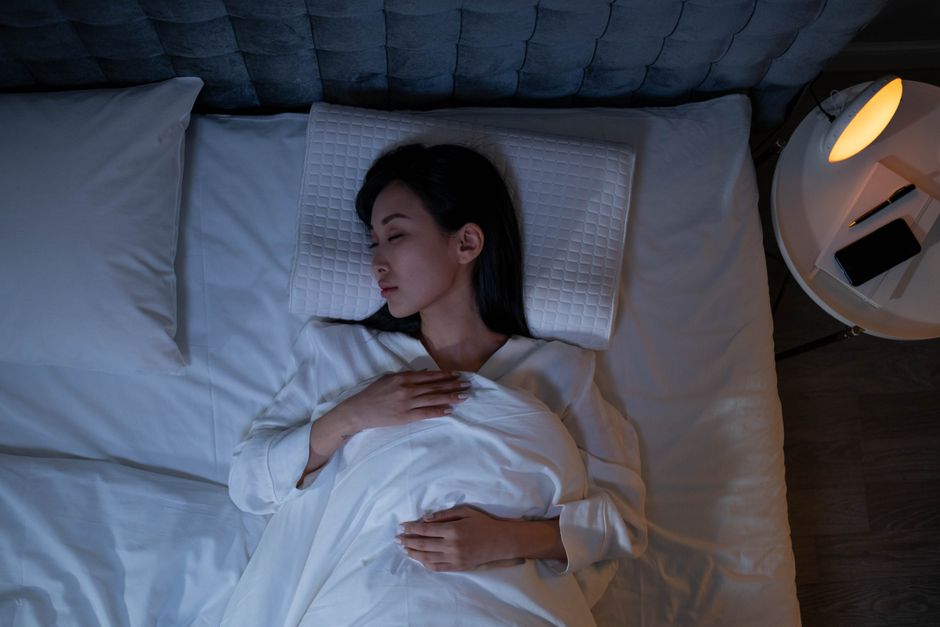
Most people in St. Petersburg spend around 2,600 hours a year in their bedroom. A growing body of sleep research says what surrounds them during those hours matters as much as how long they lie there — and local wellness practitioners are starting to build entire programmes around that premise.
The timing is pointed. A 2025 survey by the American Academy of Sleep Medicine found that 37 percent of U.S. adults report sleeping fewer than seven hours on a typical night, the threshold below which cognitive performance, immune function and cardiovascular risk all begin to deteriorate measurably. Against a backdrop of rising interest in hormonal health and stress management — conversations that have been amplifying across wellness circles well into 2026 — sleep hygiene has shifted from afterthought to anchor point.
Temperature is the first variable sleep specialists flag. The bedroom should sit between 65 and 68 degrees Fahrenheit. For residents in St. Petersburg's Kenwood or Old Northeast neighbourhoods, where older Craftsman bungalows can trap humidity, that means running a window unit or portable dehumidifier through July, not just relying on a ceiling fan. The Sunshine City's average overnight low in early July sits around 76°F — well above the optimal sleep window — making active cooling a non-negotiable rather than a luxury.
Light exposure follows. Melatonin production suppresses under blue-spectrum light, meaning the glow from a phone screen at 11 p.m. delays sleep onset by an average of 30 to 45 minutes, according to research published in the journal Sleep Medicine Reviews. Blackout curtains — available at the Restoration Hardware on 4th Street North, or for a more affordable option at the IKEA in Tampa — block the ambient streetlight that floods low-rise buildings along Central Avenue and Beach Drive. Even a $25 set of MOLPE blackout panels measurably reduces early-morning light intrusion.
Sound is the variable residents most consistently underestimate. St. Petersburg's downtown core — particularly the Edge District and the Grand Central district along 22nd Street — has grown louder as bar and restaurant density has increased through the mid-2020s. White noise machines or apps set to 65 decibels can mask traffic and weekend foot traffic without creating a disruptive sonic environment of their own.
St. Petersburg has a handful of concrete entry points for residents who want structured help rather than a DIY checklist. Align Wellness Studio on Central Avenue runs a monthly sleep workshop — the next is scheduled for July 19 — pairing breathwork with a room-audit exercise participants do at home before the session. The studio charges $35 per workshop and keeps attendance to 12 people, which allows for personalised feedback.
The Palms of Pasadena Hospital's integrative medicine department, on the south side of the city near Gulfport, offers a full sleep environment consultation as part of its Comprehensive Sleep Program, which carries a $180 initial assessment fee and is partially reimbursable under several Florida Blue plans. Staff there walk patients through a 14-point room checklist that covers everything from mattress age — the Sleep Foundation recommends replacement every seven to ten years — to electromagnetic field sources near the bed.
For those starting without a formal programme, the checklist framework is straightforward. Cool the room below 68°F. Block light with a physical barrier. Set a white noise source at moderate volume. Remove screens from arm's reach of the bed — charge phones in another room, or at minimum across the room on a dresser. Replace pillows older than 18 months. Assess the mattress.
Residents willing to spend modestly can clear most of these boxes for under $150 combined. Those with persistent sleep difficulties — trouble falling asleep three or more nights per week for over a month — should consult a local medical professional before assuming the environment alone is the problem. The checklist is a starting point, not a clinical prescription.
The Wellness Wednesday market at Williams Park on 3rd Avenue North is introducing a sleep-focused vendor row on July 17, where several local retailers will be sampling weighted blankets, aromatherapy diffusers and light-filtering sleep masks. It is free to attend and runs from 9 a.m. to 2 p.m.
About this article
Published by The Daily St Petersburg
Spread the word
Daily brief
Free, in your inbox before 7am. Weekdays.
The Daily Network — local news across Australia