Adults in the United States average four hours and 37 minutes of recreational screen time per day — and roughly two-thirds of them report sleeping fewer than the recommended seven hours per night. Researchers at the American Academy of Sleep Medicine have spent the better part of a decade chasing that overlap, and the evidence is no longer ambiguous: screens at night delay sleep onset, suppress melatonin production, and shorten overall sleep duration. The debate now isn't whether this is happening. The debate is what to do about it.
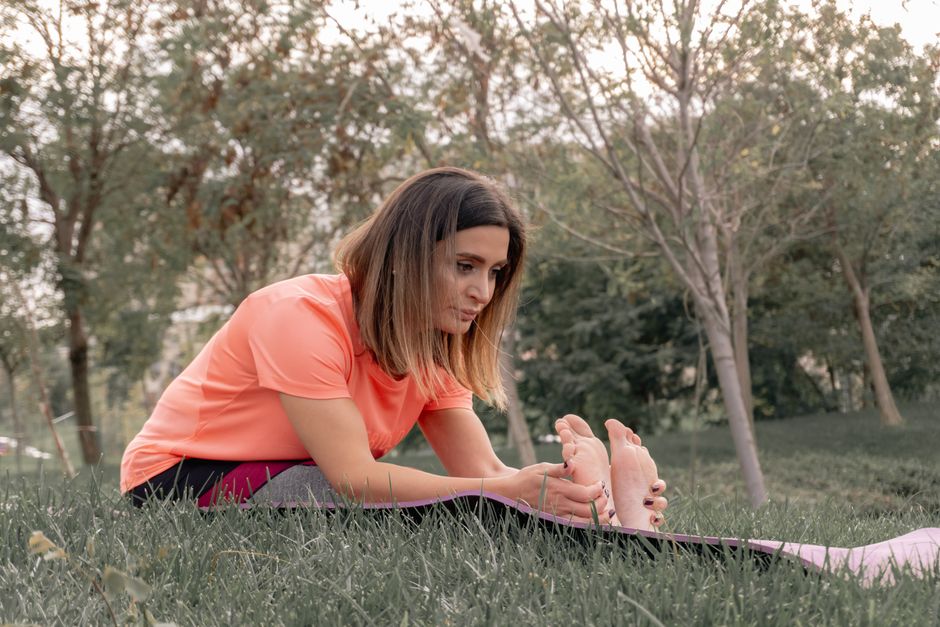
St. Petersburg has a particular stake in that conversation. The city has cultivated one of the most active outdoor wellness cultures on Florida's Gulf Coast — from the paddleboard launches at Coffee Pot Bayou to the early-morning yoga circuits in North Shore Park — and yet the same residents logging sunrise kayak sessions are often the ones doom-scrolling until midnight. That contradiction is showing up in local sleep clinics and wellness studios with increasing regularity this summer.
What the Science Actually Says
The core mechanism is well established. Screens emit short-wavelength blue light in the 450-480 nanometer range. The retina's intrinsically photosensitive ganglion cells are acutely sensitive to that range, and they signal the suprachiasmatic nucleus — the brain's master clock — to dial back melatonin output. A 2023 study published in the Journal of Pineal Research found that just two hours of evening screen exposure reduced melatonin levels by up to 23 percent in otherwise healthy adults. That's not a marginal effect. That's a measurable hormonal shift triggered by watching Netflix on a Thursday evening.
Blue-light filtering glasses and "night mode" software settings have become a booming consumer category — the global blue-light glasses market was valued at $27 billion in 2024 according to Grand View Research — but the evidence for their effectiveness is more complicated than the marketing suggests. A 2021 randomized controlled trial published in Sleep Medicine Reviews found that blue-light blocking lenses produced no statistically significant improvement in sleep onset compared to placebo lenses. The brightness of the screen and the stimulating content may matter more than the wavelength alone.
St. Petersburg's BayCare Behavioral Health, which operates programs out of its facility on 94th Avenue North in Seminole, has expanded its sleep hygiene education components over the past 18 months. The St. Pete Wellness Collective, a community health hub operating out of the Grand Central District on Central Avenue, runs a monthly sleep workshop series that specifically addresses device use. Attendance for those sessions has increased 40 percent since January 2026, according to the organization's own program records.
Local Habits, Practical Adjustments
The research does converge on a few evidence-based behaviors that hold up under scrutiny. A 90-minute screen-free window before bed consistently outperforms filtering technology in peer-reviewed literature. Keeping bedroom temperatures between 65 and 68 degrees Fahrenheit accelerates the core body cooling process that cues sleep onset. And morning light exposure — the kind St. Petersburg residents can get year-round by walking the 2.6-mile Vinoy Park waterfront trail before 9 a.m. — resets circadian rhythms more reliably than any supplement currently on the market.
Melatonin supplements are worth addressing here too, because their sales have spiked dramatically. Americans spent approximately $900 million on melatonin products in 2025, per Nielsen data. Sleep researchers caution that over-the-counter doses, often 5 to 10 milligrams, far exceed what the body produces naturally — closer to 0.1 to 0.3 milligrams — and that habitual use can blunt the body's own production cycle. Anyone considering hormone-based sleep aids should discuss dosing with a local physician or sleep specialist before starting a routine.
The practical upshot for St. Petersburg residents isn't complicated, even if it's inconvenient. Put the phone in another room. Walk to the waterfront in the morning. Keep the bedroom cool. These aren't revolutionary interventions — they're the unglamorous basics that the research keeps returning to, regardless of whatever the supplement industry is selling this season. For personalized guidance, St. Pete residents should consult with a physician or contact BayCare's sleep health services directly to discuss screening options.