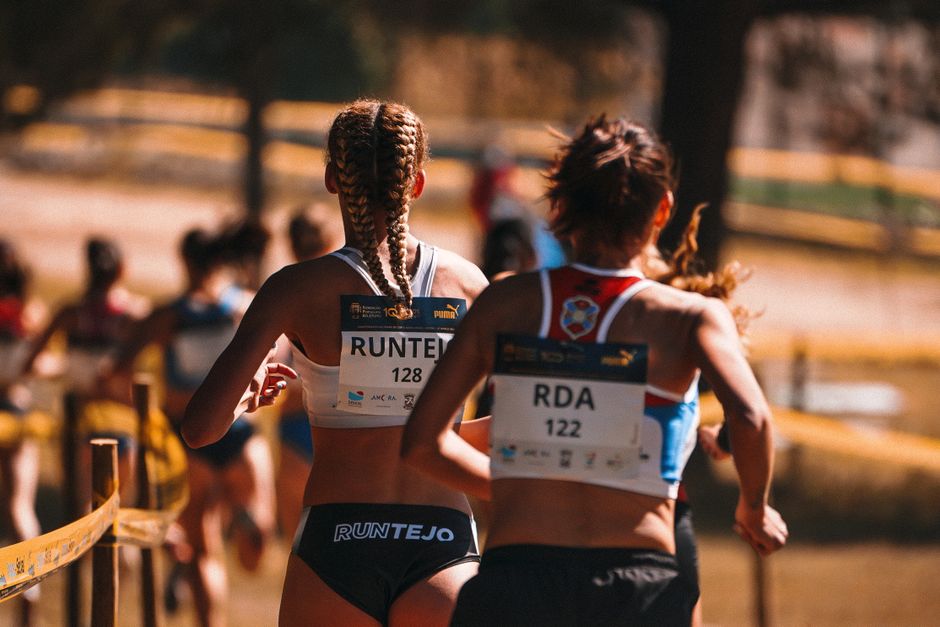
Membership across St Petersburg's amateur and semi-professional sports clubs has climbed to its highest level in at least a decade, according to figures compiled by the city's Committee for Physical Culture and Sport released last month. More than 1.4 million residents — roughly 27 percent of the city's population — are now registered with an organised sports body, up from 19 percent in 2021. Club administrators say the surge is reshaping entire districts.
The timing matters. With the broader social mood in Russia under pressure — fuel queues stretching around city blocks, economic uncertainty biting into household budgets — local sports clubs have quietly become one of the few institutions where St Petersburg residents say they feel a straightforward sense of belonging. Sport, stripped of price barriers and complicated politics, still works.
Grassroots Growth from Vasilyevsky Island to Kolpino
On Vasilyevsky Island, the Zenith Sports Community Centre on Sredny Prospekt has expanded its evening futsal programme for the third consecutive year, adding two new adult leagues in January 2026 that filled within 72 hours of registration opening. The centre now runs 14 separate youth academies covering football, volleyball and swimming, serving children from age six upward at a fee of 2,800 roubles per month — deliberately kept below the city average to keep access wide.
Twenty kilometres to the south, in Kolpino, the Izhora Athletic Club has become one of the more remarkable community projects the city has produced in years. Founded in 2019 by a group of former Zenit youth-team players, the club now fields 23 competitive teams across six disciplines. Its Saturday morning 5km run along the banks of the Izhora River regularly draws 300 to 400 participants, families included, with no registration fee. The club partners with three local schools — including Gymnasium No. 407 on Zavodskoy Prospekt — to provide after-school coaching, keeping roughly 600 children in structured sport each week.
On the eastern edge of the city, Nevsky District has seen a different kind of growth. The Ladoga Rowing Club, operating out of a boathouse on the right bank of the Neva near the Red Banner Textile Mill building, reported a 40 percent increase in adult beginners joining its weekend sculling sessions between September 2025 and June 2026. Entry-level sessions cost 1,500 roubles, and the club subsidises half that cost for residents from three neighbouring housing blocks through an arrangement with the district administration.
What the Clubs Are Actually Building
The community function is not incidental. Several clubs now operate as informal social infrastructure — running food-bank collection points during training sessions, hosting language classes for internal migrants from other Russian regions, and organising inter-club tournaments that bring together participants from Primorsky District in the north down to Pushkin in the south. The Pushkin Tennis and Padel Club, established on Moskovskaya Street near the Catherine Palace grounds in 2023, hosted its first open neighbourhood tournament in May 2026, drawing 240 players from 18 different districts over a single weekend.
St Petersburg's Department for Youth Affairs has allocated 340 million roubles in grant funding for the 2026-2027 cycle specifically targeting clubs that demonstrate measurable community impact — measured partly by school attendance among junior members and partly by cross-neighbourhood participation rates. Applications close on September 15, 2026, and club administrators in Frunzensky and Vyborgsky districts say they are already preparing documentation.
For residents wanting to get involved, most clubs maintain updated listings on the city's unified Sport.SPb portal. Kolpino's Izhora Athletic Club holds open training sessions every Tuesday and Thursday at 19:00; the Ladoga Rowing Club runs beginner inductions on the first Saturday of each month. Neither requires prior experience. Given the momentum behind these organisations right now, showing up is probably the harder part.