Membership numbers across St. Petersburg's grassroots sports clubs have risen by roughly 18 percent since January 2025, according to figures compiled by the city's Committee for Physical Culture and Sport. The growth cuts across disciplines—football academies in Nevsky District, rowing clubs along the Malaya Neva, boxing gyms in Kolpino—and the momentum shows no sign of slowing heading into the second half of 2026.
The timing matters. With fuel shortages squeezing household budgets across Russia and a general mood of collective anxiety hanging over many cities, local sports infrastructure has taken on a role that goes well beyond fitness. Clubs are running homework sessions, organising holiday programmes for children and, in several cases, partnering with district administrations to keep facilities open seven days a week. Sport is filling a gap that other community institutions have struggled to cover.
The Clubs Making the Difference
Zenit's official grassroots arm, the Zenit Football Academy, expanded its youth intake at the Petrovsky Stadium complex on Petrovsky Island this spring, adding two new age-group squads for players born in 2015 and 2016. Monthly fees were held at 3,200 roubles—unchanged from 2024—after the academy absorbed a subsidy from the city's district sport fund. More than 340 children are now enrolled across all age groups, up from around 270 at the same point last year.
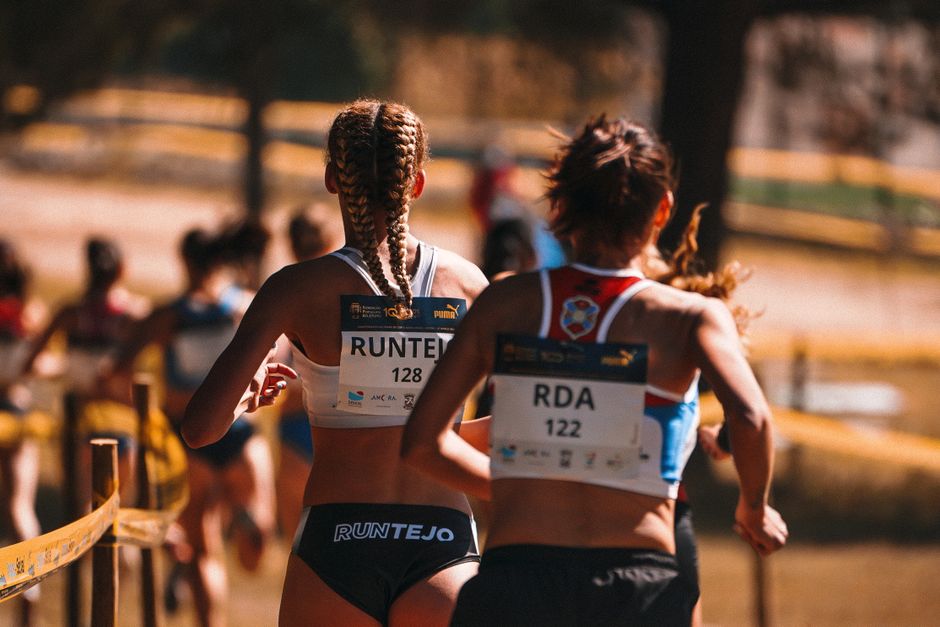
On Vasilievsky Island, the Neva Athletics Club has transformed the outdoor track at School No. 24 on Bolshoy Prospekt into something approaching a neighbourhood hub. Wednesday evening sessions, open to adults regardless of ability, have attracted between 60 and 80 participants each week since April. The club charges no membership fee for those sessions, covering costs through a combination of sponsorship from a local logistics company and a small grant from Vasileostrovsky District administration. The model has drawn interest from sports organisers in Primorsky District, who are in early talks about replicating it near Udelnaya Park.
Further south, the Kolpino Boxing and Combat Sports Centre on Zavodskoy Prospekt marked its 30th anniversary in May and used the occasion to launch a free Saturday morning class aimed specifically at teenagers aged 13 to 17. Forty-two young people attended the first session. The centre's director told local newspaper Moy Rayon that the waiting list for junior places had tripled over the past 18 months, a trend the staff attribute partly to word of mouth and partly to a city-wide push to reduce unsupervised screen time among adolescents.
Money, Facilities and What Comes Next
City-level investment is running at around 2.1 billion roubles for the 2026 sport and physical culture budget, a figure confirmed in the St. Petersburg Legislative Assembly's spring session. A portion of that is earmarked for the renovation of district sports halls, including the Kalininsky District indoor complex on Zheleznodorozhnaya Ulitsa, which is scheduled to reopen in October after a roof replacement and new flooring. Capacity there will increase from 180 to around 260 concurrent users.
Private money is moving in the same direction. Two fitness chains operating in the Moskovsky and Frunzensky districts have quietly converted under-used studio space into open community zones, offering free drop-in hours on weekday mornings—a shift driven as much by occupancy pressure as altruism, but one that genuinely expands access.
For residents looking to get involved, the Committee for Physical Culture and Sport maintains a club directory at the Smolny administrative complex, and most district administrations hold quarterly open-door sessions where clubs can present programmes directly to local families. The next round is scheduled for September. Anyone interested in the Neva Athletics Club's Wednesday sessions on Vasilievsky Island can show up at the Bolshoy Prospekt entrance to School No. 24 from 6:30 p.m.—no registration required, just shoes you can run in.