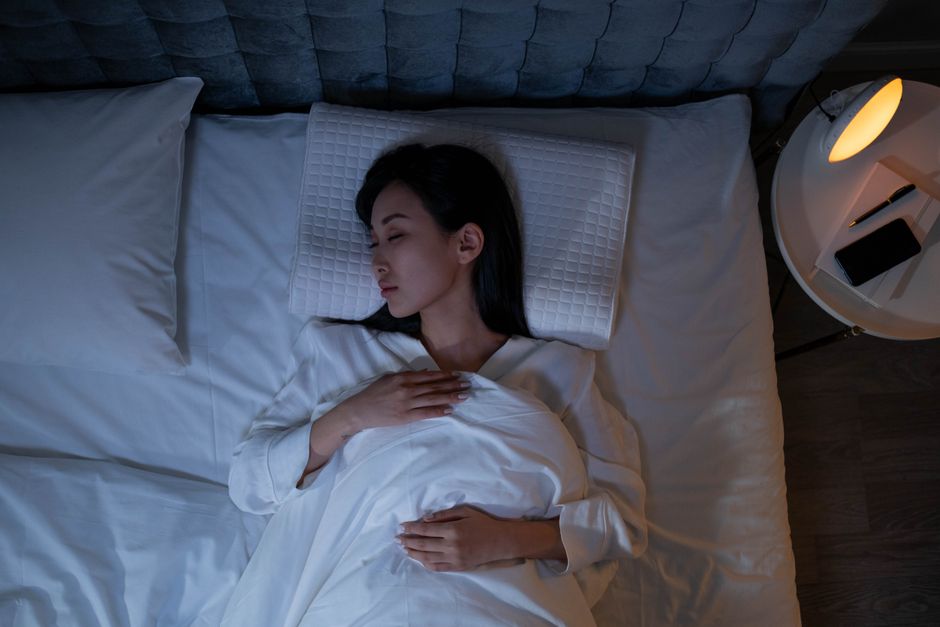
Most people trying to fix their sleep change their schedule. Fewer change their room. That's the wrong order, according to sleep medicine specialists — and a growing body of research backs them up. The bedroom environment, not just bedtime habits, is the foundational variable most adults in St. Petersburg are getting wrong.
This matters right now for specific reasons. July heat indexes in Pinellas County regularly push past 105°F by mid-afternoon, and residual warmth lingers well past midnight in older construction across neighborhoods like Kenwood and Roser Park. The city's active wellness culture — strong at places like the St. Pete Yoga Center on Central Avenue and the Canopy Wellness collective near the Edge District — tends to prioritize movement and nutrition, but sleep environment often gets left out of the conversation entirely.
What the Research Actually Says
The numbers are blunt. The Centers for Disease Control and Prevention reported in 2024 that roughly 35 percent of American adults consistently sleep fewer than seven hours a night — the minimum threshold linked to increased risks of cardiovascular disease, metabolic disorders, and impaired cognitive function. A separate analysis published in the journal Sleep Health in early 2025 found that ambient room temperature accounted for nearly 20 percent of self-reported sleep quality variance, outranking both caffeine consumption and screen time in that particular dataset.
Temperature is item one on any credible sleep environment checklist. Sleep medicine consensus holds that a bedroom between 65°F and 68°F (roughly 18–20°C) supports the core body temperature drop that initiates deep sleep. In a Florida July, that means running central air or a dedicated bedroom unit — not optional, not a luxury. Blackout curtains are a close second. St. Petersburg sits at a latitude where summer daylight starts edging in before 6:30 a.m., and even thin curtain panels allow enough ambient light to suppress melatonin production.
Noise is the third variable most residents underestimate. The 4th Street N corridor and downtown blocks near Beach Drive see consistent late-night traffic and event noise, particularly on weekends. White noise machines — available at local retailers including the Target on 34th Street S — start around $35 and have decades of clinical support. Pink noise, which mimics natural sounds like rainfall, is a newer alternative that some researchers argue is marginally more effective for deep sleep maintenance, though the evidence remains preliminary.
The Checklist, Room by Room
Sleep researchers and wellness practitioners broadly agree on six environmental adjustments. Keep room temperature between 65°F and 68°F. Block all external light sources, including charging indicator LEDs on devices. Mask unpredictable noise with a consistent sound source. Reserve the bed for sleep and sex only — working from bed, a habit that embedded itself during the pandemic years of 2020–2021, measurably weakens the brain's associative cue between the mattress and sleep. Replace mattresses older than seven to ten years; the National Sleep Foundation puts that figure at roughly 8 years for average use. And address bedroom air quality — a 2023 study in Environmental Research Letters found that indoor particulate matter, often higher in older Florida homes with aging HVAC filters, correlated with lighter, more fragmented sleep.
Local options for pursuing these changes are more accessible than many residents realize. The Saturday morning wellness markets at Williams Park on 3rd Avenue N frequently feature vendors selling sleep-adjacent products including weighted blankets, essential oil diffusers, and natural fiber bedding. The Pinellas County Extension Service, based on 28th Street N, periodically runs free home energy and indoor air quality workshops that cover HVAC maintenance — directly relevant to both cooling costs and filter replacement schedules.
Start with temperature and light. Both are free to address this weekend with curtain adjustments and thermostat changes. Work through the remaining checklist items over the following two weeks. Anyone with persistent insomnia, sleep apnea symptoms, or chronic fatigue should consult a physician or licensed sleep specialist rather than treating the room as the only answer. The environment is the foundation — not the whole building.