St Petersburg residents are increasingly turning to “rent-vesting”—renting where they want to live, while buying smaller investment properties elsewhere—as the city’s property prices and rents squeeze traditional first-home buyers.
The appeal of rent-vesting has grown sharply this summer as both rental and property markets have become more competitive. Wage growth has failed to keep pace with St Petersburg’s average property price increase, leaving many would-be homeowners torn between securing their ideal apartment near the Fontanka or entering the market in an outlying district. Major market shifts, ongoing regional instability, and inflation have further complicated affordability calculations in the past year.
Market Pressures in the Center and Beyond
On much of Moskovsky Prospekt or along the popular Petrogradsky District near Kamennoostrovsky Avenue, rents have climbed to over 95,000 rubles per month for a renovated two-room flat. These historic neighbourhoods, home to well-equipped schools and proximity to the Mariinsky Theatre and New Holland Island, remain highly desirable among young professionals. But with average apartment sale prices in Admiralteysky District now above 18 million rubles, many locals say the up-front deposit and ongoing bank repayments remain out of reach—especially with banks like Sberbank requiring 20 percent down for new residential mortgages since the start of 2026.
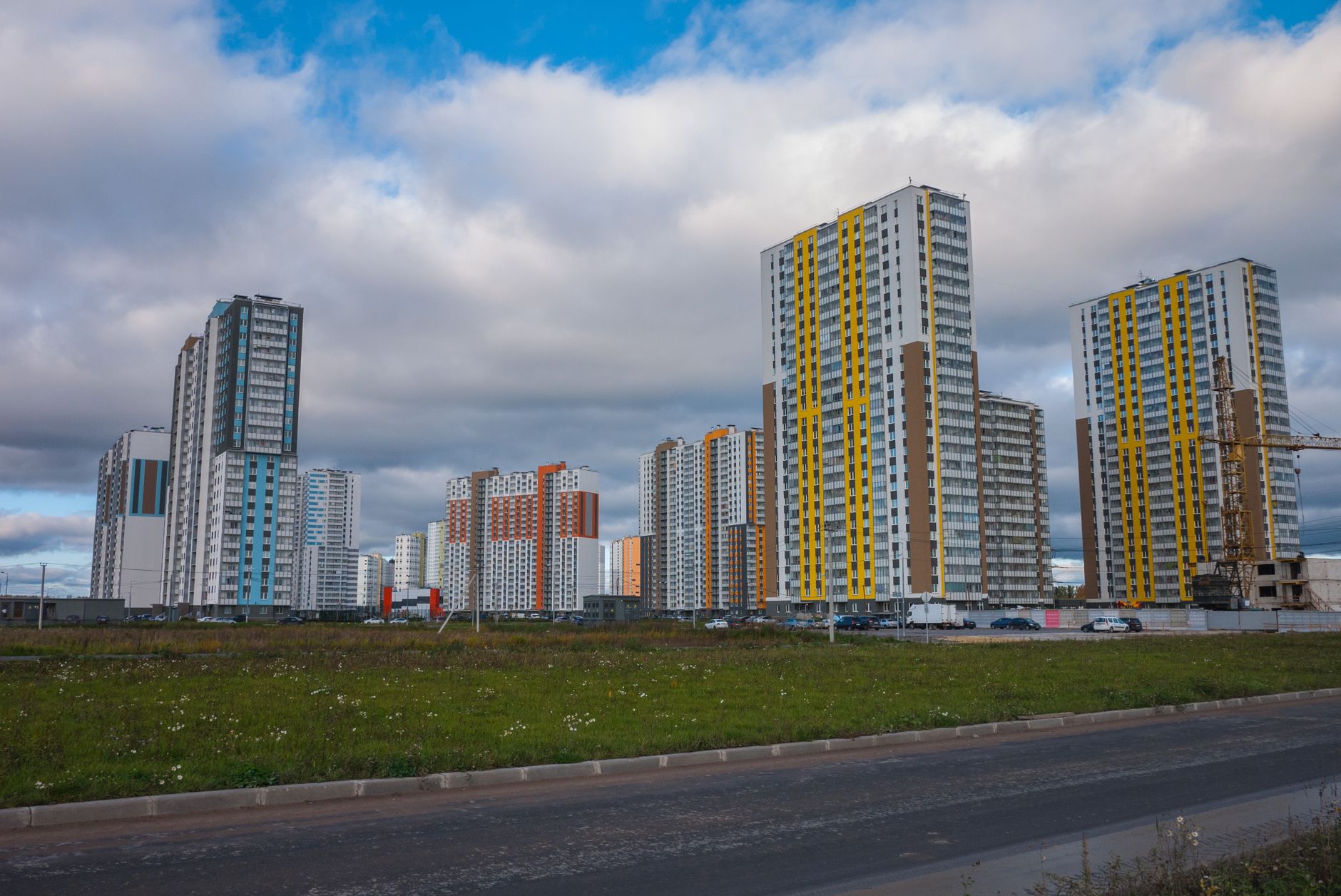
Some buyers are instead snapping up smaller, new-build flats in Krasnogvardeysky or Murino, where an investable studio apartment can still be secured for about 7.5 million rubles. Developers such as CDS Group and Etalon plan to deliver over 5,000 new units across these districts in the next six months. Meanwhile, the city government has extended its targeted loan assistance programme for first-time buyers in Nevsky District through December, though its uptake remains limited because of strict eligibility tests.
Numbers Behind the Strategy
According to market tracking by NAI Becar, the average yield for rental property in the city fringe—Kupchino or Prospekt Veteranov, for example—now stands at 7.2 percent, compared with just 4.6 percent for central St Petersburg. At the same time, rents in those peripheral neighbourhoods average 42,000 rubles per month for a one-bedroom flat, considerably below the center’s rates. For many, this makes the economics of rent-vesting work: buyers live in high-spec rental apartments close to work or leisure while their owned, more affordable flat in a growth district delivers a passive income or long-term capital gain.
This arrangement is not without its hurdles. New tax rules introduced in March 2026 require all private landlords to register and declare rental income, increasing reporting requirements and, for some, reducing net yields. But with property prices in central St Petersburg projected to grow another 6 percent by the end of the year, for some, the prospect of being locked out of ownership altogether looms large.
What’s next for would-be rent-vestors? Mortgage brokers at DomClick recommend careful financial analysis before embarking on a rent-vesting plan, pointing to rising borrowing costs and possible tax implications. Prospective buyers can still find entry-level studios at below the market peak in Vyborgsky District and even parts of Kolpino, but they must be prepared for ongoing price pressure. For those still weighing up where—and how—they want to live, the rent-vesting strategy may prove the only viable way to reconcile St Petersburg dreams with household balance sheets for now.