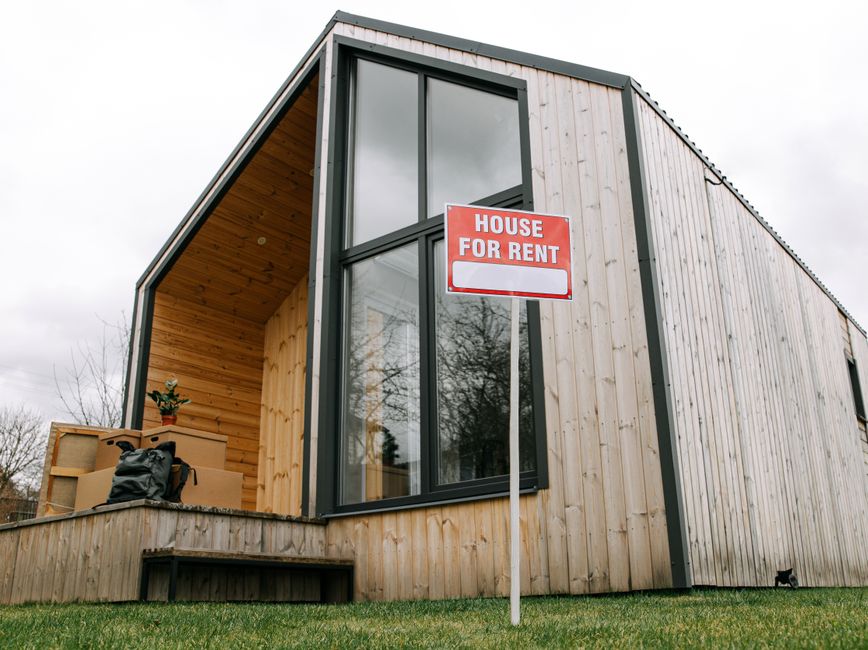
The math on buying a home in St. Petersburg stopped working for most middle-income households somewhere around 2023. Now, in mid-2026, the median single-family sale price in the city sits at approximately $389,000 — up roughly 11 percent from three years ago — while 30-year fixed mortgage rates remain stubbornly above 6.8 percent. Monthly ownership costs, including insurance and property taxes, routinely breach $2,800 for a three-bedroom home in neighborhoods like Kenwood or Crescent Lake. For a significant portion of the workforce, renting is no longer a stepping stone. It is the destination.
That shift has not gone unnoticed by developers. Build-to-rent — purpose-designed communities where every unit is professionally managed and intended for long-term tenancy rather than eventual sale — has accelerated across the Tampa Bay region, and St. Petersburg is now absorbing several of the largest projects in Pinellas County's history. Unlike converted apartment complexes or scattered single-family rentals, these developments are engineered from the ground up around the renter experience, with lease terms, maintenance guarantees, and amenity packages baked into the product before a single unit is occupied.
What Renters Actually Get
The distinction matters more than it might first appear. At The Broadstone Waterfront District, the 312-unit build-to-rent community that opened its first phase on 1st Avenue South in late 2025, renters sign leases that include same-day maintenance response windows, covered parking, a rooftop pool deck, and co-working spaces — all folded into a monthly rent that starts around $1,950 for a one-bedroom. That figure is higher than older Class B apartment stock in the Euclid-St. Paul neighborhood, but proponents argue the comparison is imprecise. Renting a home built for renters, with professional property management and no deferred maintenance from a mom-and-pop landlord, carries a different value proposition than leasing a 1970s-era unit on 22nd Avenue North.
Further north, the Grand Central District has attracted a second significant project: the Harbour Row build-to-rent townhome community on 16th Street, developed under a partnership involving the Pinellas County Community Development Corporation. Its 88 townhomes — two- and three-bedroom layouts ranging from $2,100 to $2,650 per month — were designed specifically to capture households earning between $65,000 and $95,000 annually, the income band that earns too much for subsidized housing programs but too little to comfortably buy in today's market. Units include private garages, fenced yards, and 12-month lease renewal guarantees, which essentially gives tenants the security of staying put without the financial exposure of ownership.
The Case for Renting — and Its Limits
The financial case for renting over buying is sharper than it has been in decades. A household choosing to rent at $2,100 per month rather than carry a $389,000 mortgage avoids approximately $90,000 in upfront costs — down payment, closing fees, reserves — and sidesteps an insurance market that has become genuinely brutal for Florida property owners since Hurricane Idalia. Citizens Property Insurance Corporation has shed tens of thousands of Pinellas County policies since 2024, pushing homeowners toward private carriers charging $4,500 to $7,000 annually for a modest bungalow.
That said, build-to-rent is not a panacea. Renters in these communities build no equity, receive no tax deduction, and remain exposed to rent increases at lease renewal. Several tenant advocacy groups, including St. Pete Renters United, have pointed out that the $1,950-and-up price floor in new build-to-rent stock does nothing for households earning under $50,000 a year, a group the Pinellas County Housing Authority estimates represents nearly 34 percent of the city's renters.
For those who do qualify, however, the practical advice from housing counselors at Pinellas Opportunity Council on 22nd Street South is consistent: negotiate lease renewal caps upfront where possible, confirm what utilities are and are not included in the base rent, and read maintenance SLA terms carefully before signing. The city's Office of Housing and Community Development runs a free lease-review clinic on the first Tuesday of each month at the Enoch Davis Center on 18th Avenue South — a resource that remains underused despite dealing with exactly the kind of complexity these newer rental agreements introduce.