Midtown's Moment: The Gentrifying Pocket Attracting Young Professionals
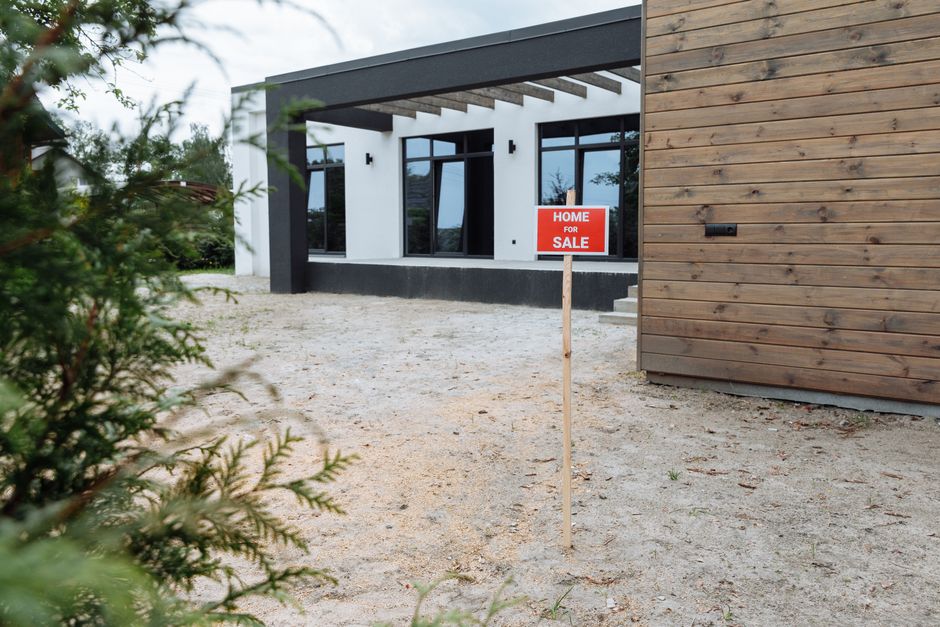
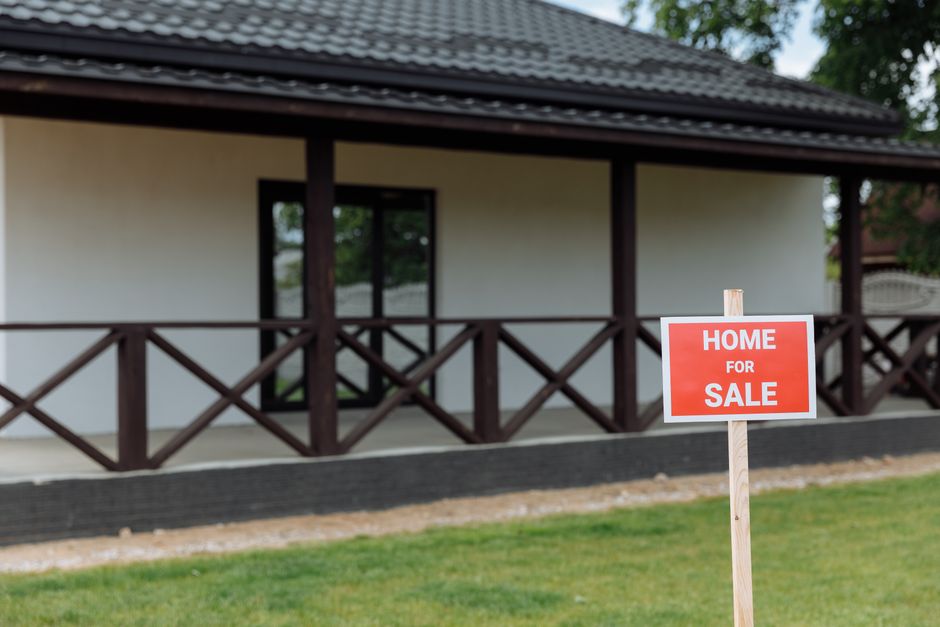
Rising rents in downtown St. Petersburg are pushing a wave of young buyers and renters into Midtown, where property values have jumped nearly 18 percent in twelve months and coffee shops are outpacing vacant lots.
This article was generated by AI from the linked public sources. The Daily St Petersburg is independently owned and covers St Petersburg news free from advertiser or sponsor influence. Read our editorial standards →
Midtown St. Petersburg is moving fast. The historically underinvested stretch of the city running roughly between 16th Street South and 34th Street South — long overlooked in favour of the waterfront or the Grand Central District — recorded median home sale prices of $312,000 in the second quarter of 2026, up from $265,000 in Q2 2025, according to figures compiled by Pinellas County property appraisers. That 17.7 percent jump in twelve months puts Midtown ahead of the broader St. Petersburg metro average of 11 percent for the same period.
The timing matters. Downtown St. Petersburg, anchored by Beach Drive and the Central Arts District, has priced out a significant cohort of first-time buyers and younger renters, with one-bedroom apartments along the 400 block of Beach Drive now routinely listed above $2,400 a month. The spillover effect is real and measurable, and Midtown is the primary beneficiary. With the brutal heat that has cancelled outdoor events across the eastern seaboard this Fourth of July weekend — including major gatherings from Washington to Philadelphia — the city's indoor cultural infrastructure has never mattered more to residents choosing a neighbourhood, and Midtown is building exactly that.
The Businesses Betting on Midtown
Two anchor investments are doing the most to shift perception. Bodega on Central, which opened its second location on 22nd Avenue South in March 2026, has become a de facto gathering point for the 25-to-40 demographic that brokers now openly court in this zip code. Three blocks south, the St. Petersburg Community Alliance broke ground in January on its Midtown Mixed-Use Development at 28th Street South and 9th Avenue, a $14 million project pairing 62 affordable rental units with 8,000 square feet of ground-floor commercial space. Leasing for the commercial units is reportedly already oversubscribed. The Warehouse Arts District, which borders Midtown to the northwest, has helped bleed creative-class foot traffic southward along Dr. Martin Luther King Jr. Street, and several gallery operators have told the Daily St. Petersburg they are actively scouting studio space further into the corridor.
Pinellas County school rezoning in 2025 also redirected enrolment at Melrose Elementary, which received a B rating from the Florida Department of Education this spring — a modest but meaningful data point for the young-family subset of buyers that agents say now represents roughly a third of Midtown purchase inquiries. Walk-score analytics for the 22nd Avenue South corridor climbed from 61 to 74 between January 2024 and June 2026 as new retail filled previously empty storefronts on 34th Street South.
What Buyers and Renters Should Do Now
The window for sub-$320,000 single-family purchases in Midtown is narrowing. Comparable trajectories in similarly structured mid-city corridors — the Ybor City fringe in Tampa, for example — suggest that once a gentrifying pocket clears the $300,000 median threshold and sustains it for two consecutive quarters, pricing accelerates sharply in year three. Midtown cleared that threshold in April 2026 and has not dipped back.
Buyers working with limited equity should prioritise the blocks between 18th and 24th Streets South, where bungalow stock from the 1940s and 1950s still sits below the area median, with several properties listed in the $270,000-to-$290,000 range as of this week. Renters should move quickly on any unit tied to the St. Petersburg Housing Authority's Affordable Access Program, which caps income-qualified rents well below the $1,650 average now being advertised for a one-bedroom in the corridor. Applications for that program's next cohort open September 1.
City planners are expected to present updated Midtown zoning recommendations to the St. Petersburg City Council in October, a session that could accelerate higher-density approvals along the 34th Street corridor. Whatever those decisions produce, the demographic pressure is already baked in — and the buyers arriving now are the ones most likely to benefit from whatever comes next.
Covering property in St Petersburg. This article was generated by AI from the linked sources and was not reviewed by a human editor before publishing. See our editorial standards.