Property
The Rent-Vesting Strategy Explained for the St Petersburg Market
As home prices rise in central districts, more locals are ‘rent-vesting’—renting where they want to live but buying investment property elsewhere.
4 min read
Property
As home prices rise in central districts, more locals are ‘rent-vesting’—renting where they want to live but buying investment property elsewhere.
4 min read
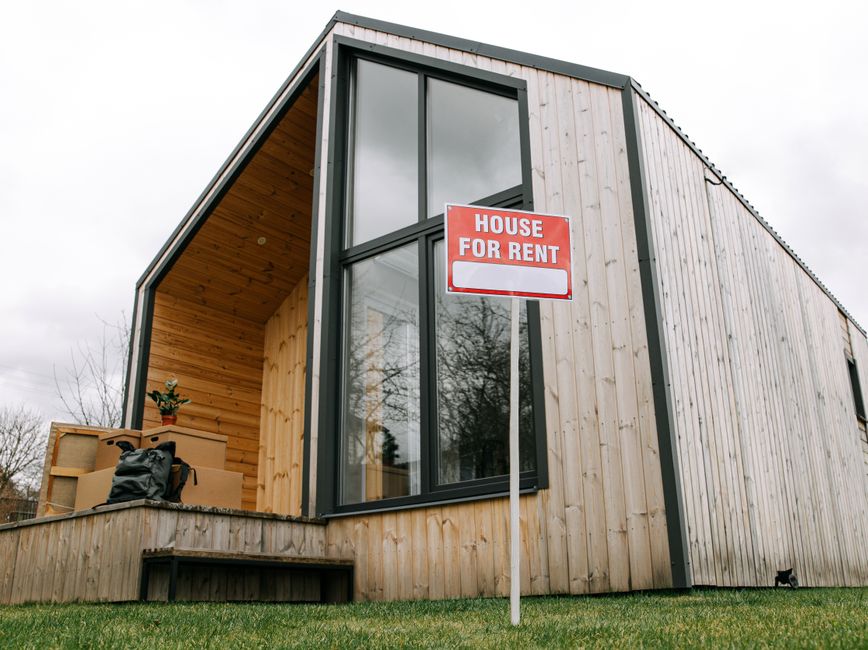
St Petersburg renters priced out of the likes of Petrogradsky Island and Nevsky Prospekt are increasingly embracing a strategy known as "rent-vesting," according to data from city property consultancies. The approach, which involves renting in a preferred neighbourhood while buying an investment property in a more affordable area, is gaining traction as traditional paths to home ownership slip further out of reach for many residents.
Soaring property prices across the city centre and tightening mortgage options have left many young professionals wrestling with tough decisions. Official figures show the average sale price per square meter in Tsentralny District hit 345,000 rubles in June 2026, up 18% year-on-year. With inflation biting into monthly budgets and wage growth lagging behind, locals are getting creative to both live in desirable areas and build long-term wealth.
Maria Ivanova, head of analytics at St Petersburg property portal DomKlik, says the rent-vesting trend is most visible in the space between where residents want to live and where they can afford to buy. For example, the average rent for a one-bedroom apartment along Kamennoostrovsky Prospekt hovers just above 60,000 rubles, but buying a similar property would require a deposit of over 2.5 million rubles—out of reach for most early-career professionals. Instead, some are choosing to rent in centrally connected spots like Vasileostrovsky Island while purchasing smaller, investment-grade apartments in developing districts like Murino, north of the city proper, where prices per square meter averaged just 157,000 rubles last quarter.
New projects such as "Yunost Quarter" in Murino and the "Yablonevy Sad" development in Kudrovo are specifically marketed to buyers looking for rental income or capital growth, with studio flats starting at 3.2 million rubles—less than half what a similar space would cost close to the Hermitage Museum. Local estate agencies including BaltInvest and SPB Realty are using rent-vesting language in their marketing, highlighting tax advantages and rental yield projections of 6-7% on new units in these peripheral zones.
According to a June 2026 report from St Petersburg Housing Analytics, the average monthly mortgage repayment on a city centre flat now exceeds 95,000 rubles—even after a 15% downpayment, and assuming you can secure a bank loan amid this year's tighter regulations. In contrast, a typical one-bedroom mortgage in Murino or Kudrovo would set a buyer back 45,000 rubles per month—leaving more disposable income for rent in a central location and offering the prospect of future capital appreciation. With the city’s rental vacancy rate at just 3.1%, according to figures released by the St Petersburg Municipal Property Department, demand for suburban rentals remains strong enough to support these hybrid strategies.
Local financial advisor Pavel Sorokin, who runs workshops at New Holland’s StartUp Hub, says more millennials and Gen Z clients are ditching traditional ownership dreams in favour of this flexible model. He notes that since February, consulting inquiries for rent-vesting have doubled, particularly from IT and logistics workers based near Admiralteysky or Ligovsky Prospekt, who need quick commutes but are frustrated by central property prices.
The city’s property market is expected to stay tight through the end of 2026, with central prices holding firm and developers slowing new project launches due to inflationary pressures. Would-be rent-vestors should conduct careful due diligence—not all suburban developments are created equal, and rental yields can vary by up to 3 percentage points within a single metro stop. Mortgage rates, currently averaging 14.1% for new buyers, are another key consideration, especially for those stretching affordability on dual commitments.
Experts suggest partnering with locally established estate agencies and checking city registers for building permits, as minor delays or resales are not uncommon outside the central ring. For many, rent-vesting is a way to have the city lifestyle they want now—without giving up a foothold on St Petersburg’s notoriously competitive property ladder. With demand still high, and new-build completions tilting toward the periphery, the rent-vesting playbook looks set to remain a fixture in the city’s evolving real estate market.

Property

Property

Property
Property
About this article
Published by The Daily St Petersburg
Spread the word
Daily brief
Free, in your inbox before 7am. Weekdays.
The Daily Network — local news across Australia