Property
House vs Unit Price Divergence Splits St Petersburg Market
Detached homes soar while unit values lag, reshaping neighbourhood dynamics from Vasilyevsky Island to Kupchino.
3 min read
Property
Detached homes soar while unit values lag, reshaping neighbourhood dynamics from Vasilyevsky Island to Kupchino.
3 min read

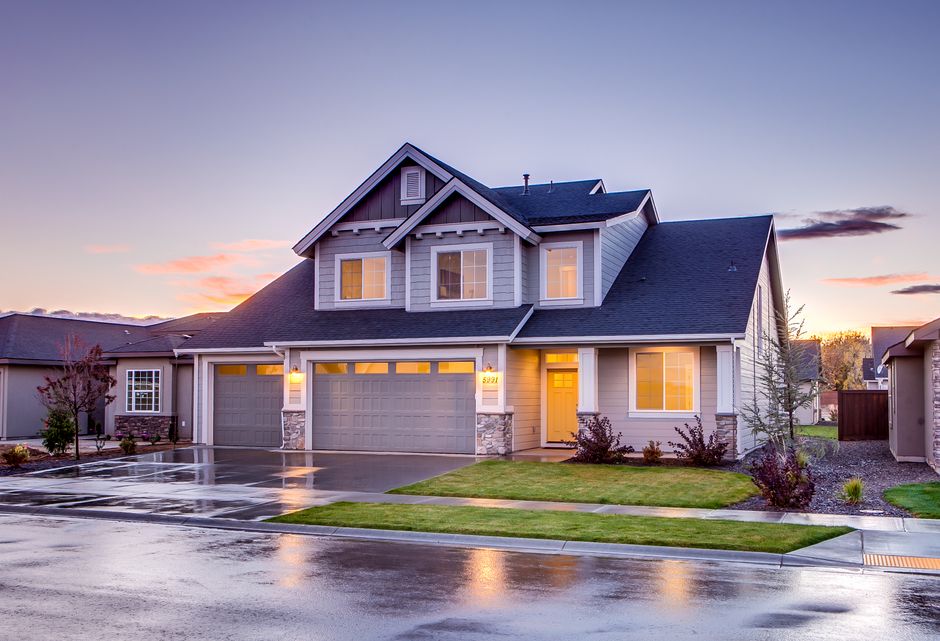
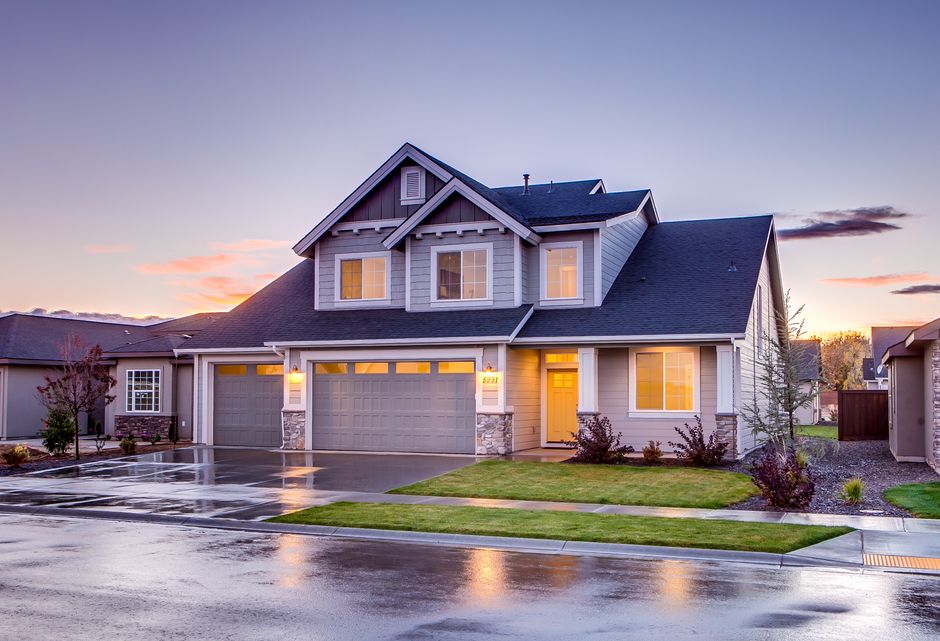
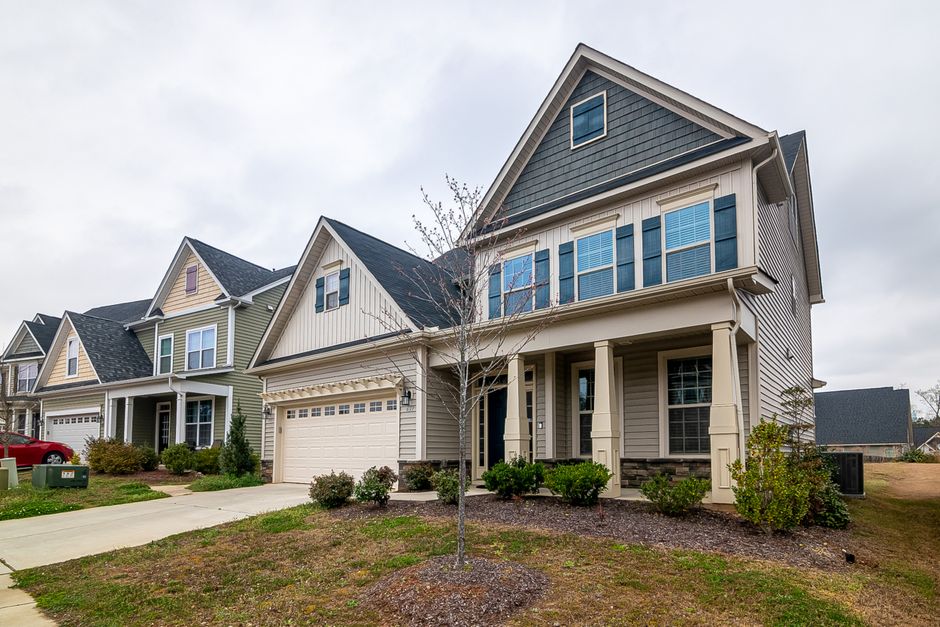
The gulf between house and unit prices in St Petersburg has widened to its largest in recent memory, with standalone houses outpacing apartment units by nearly 12% year-on-year as of June, according to data compiled by the Federal Cadastral Chamber.
This divergence comes at a moment of heightened local and geopolitical uncertainty. With apparent renewed tensions in the wider region and domestic anxieties—compounded by ongoing reports of energy shortages and concerns over capital flight—what residents pay for and how they live is now under the microscope.
Nowhere is the split clearer than along Kamennoostrovsky Prospekt, where a century-old dacha recently fetched nearly 62 million rubles, up 18% from last summer, contrasting sharply with a two-bedroom unit in nearby Petrogradsky District that struggled to breach 15 million. Meanwhile, estate agents from PIK Group say new builds in the Murino extension are seeing price stagnation, with average unit sales stalling around 170,000 rubles per square meter since March.
Further south, the Kupchino district—long a staple for first-time buyers—is witnessing modest growth for units, but detached cottages along the embankments are drawing Muscovite investors and local professionals alike, some properties changing hands for over 75 million rubles. New figures from INCOM–North-West confirm transactions of detached houses rose 7% last quarter, compared to a flatline for new unit registrations.
According to the St Petersburg Real Estate Board, the average detached house in the city limits is now 51.7 million rubles, with prime locations posting double-digit growth rates. In contrast, the average unit price is up only 2.3% since January, resting at 12.8 million rubles. Rental yields for houses have also ticked up marginally, now sitting at 4.1% compared to 3.3% for units, per city housing agency Domovoi. The gap is even starker in upmarket areas like Krestovsky Island, where some houses are trading at three times their 2022 value, outpacing even inflation-hardened currencies.
Market watchers attribute these trends to a wave of affluent buyers seeking space and long-term stability, especially after last winter’s energy disruptions left many residents reconsidering high-rise living. Real estate consultancies like Knight Frank St Petersburg have pointed to an uptick in families purchasing suburban homes in Pushkin and Ligovo, citing a desire for gardens and energy independence as drivers.
For residents weighing their options, the house-unit divergence could persist if energy supply risks and policy shifts remain unresolved. Local law firm Neva Property advises prospective unit buyers to scrutinise building maintenance funds and upcoming levies—several associations in Moskovsky Prospekt recently raised communal fees by 17%. For those with the means to buy a house, agents suggest acting before further price acceleration: land approvals in Yuntolovo and Novaya Ladoga are reportedly becoming more restrictive due to new zoning orders.
As St Petersburg’s market splits along structural lines, buyers and sellers across the Fontanka and beyond are rewriting their wish lists—and recalculating what home ownership really means in Russia’s ever-shifting northern capital.

Property
Property
Property
Property
About this article
Published by The Daily St Petersburg
Spread the word
Daily brief
Free, in your inbox before 7am. Weekdays.
The Daily Network — local news across Australia