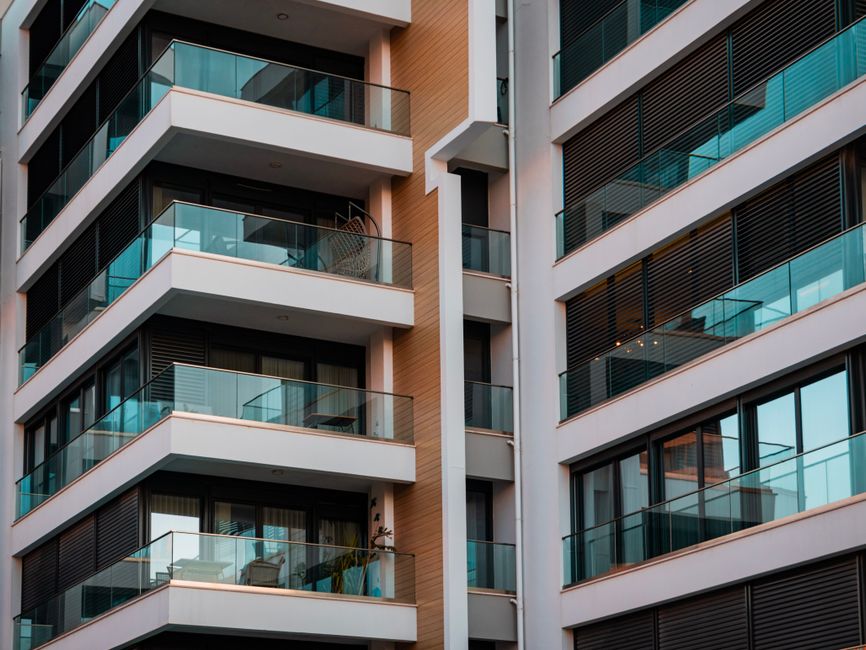
Petrogradsky Island sits in the shadow of the Peter and Paul Fortress, but walk past the tourist crowds and you'll find something that catches you off guard: genuine community life. Residents here have spent the last eighteen months deliberately rebuilding neighbourhood character in ways that feel urgent and intentional, even as broader instability reshapes daily life across the region.
The neighbourhood's renaissance matters precisely because it's happening at a moment when people everywhere are reassessing what stability actually means. With inflation running at 11.3 percent across Russia and disposable incomes tightening, communities like Petrogradsky Island are discovering that cultural anchors and local gathering spaces are no longer luxuries—they're necessities. When the larger world feels uncertain, neighbourhood becomes territory you can control.
The Entrepreneurs Who Stayed
Start on Kamennoostrovsky Prospekt, where the Craft Beer Lab opened in April 2025 in a converted Soviet-era apartment building. Owner Marina Volkova gutted three rooms on the ground floor and built a 14-tap system from equipment sourced partly through Moscow suppliers and partly through personal networks that took eight months to assemble. The bar now hosts weekly neighbourhood gatherings on Thursdays—not the boisterous nightlife kind, but the kind where neighbours actually talk to each other. She estimates 60 to 80 locals pass through each week, many living within five blocks.
Two streets over on Zvereva Street, the Petrogradsky Community Library Collective moved into a 200-square-metre storefront in February. What started as a WhatsApp group of book-lovers with a shared frustration at declining public library hours has become a functioning lending library with 3,400 volumes, a reading room, and a weekly discussion group. The space operates on membership fees—500 rubles monthly—and has attracted 127 paid members plus another 200 or so who use it casually.
These aren't glossy new developments. Both businesses are deliberately modest. Volkova uses recycled wood for shelving. The library collective bought their furniture from a dacha-clearing operation that processes furniture from departing expats. The aesthetic is makeshift, functional, alive—the opposite of the polished uniformity that characterised much of St Petersburg's commercial expansion before economic pressures tightened.
Numbers That Tell the Story
Petrogradsky Island's population sits at approximately 32,000, according to the most recent district census data. What's changed isn't the number of residents but their age profile and staying power. The district has seen a 7 percent increase in households where residents have lived continuously for more than five years—a reversal of the 2018-2023 trend when younger professionals moved to newly developed areas like Krestovsky Island. Those who remained, or who moved here specifically because rents stabilised at 18,000-24,000 rubles per month for a one-bedroom apartment, have invested in local institutions.
The Petrogradsky Market, which has operated informally on Karpovka Street since the 1990s, now coordinates with a registered association called "Neighbourhood Economy"—formed in November 2024—that helps vendors navigate licensing requirements and connect with local suppliers. Membership stands at 43 vendors, up from scattered informal traders two years ago.
None of these initiatives emerged from official city planning. They came from people who simply decided their immediate surroundings mattered more than waiting for top-down development. The Craft Beer Lab's Marina Volkova was an accountant for fifteen years before pivoting. The library collective's founding member Dmitri Sorokin worked in tech before returning to his childhood neighbourhood. These are people with options who chose to invest locally anyway.
For anyone living in or visiting Petrogradsky Island, the practical reality is straightforward: the neighbourhood has infrastructure now that didn't exist two years ago. If you live here, you can borrow books from the collective, find craft beverages that reflect actual local taste rather than branded uniformity, and encounter your neighbours doing the same. The community vibe isn't manufactured. It's the result of people deciding that neighbourhood character is worth building from scratch, one storefront and one membership at a time.