Gold hit $4,187 per troy ounce on Friday, up 4.1 percent in a single session, while the S&P 500 climbed to 7,483 and Bitcoin surged 6.66 percent to $62,456. For investors in St Petersburg who have spent the better part of eighteen months watching global uncertainty gnaw at returns, that combination arriving on the same trading day is not noise. It is a signal worth reading carefully.
The euro strengthened to 1.1440 against the dollar, a gain of 0.47 percent, which matters directly for St Petersburg households and businesses with savings or income denominated in euros. A softer dollar tends to lift the purchasing power of European-currency holders shopping global markets, and it simultaneously makes dollar-priced commodities, gold chief among them, more attractive as a store of value. Both forces are running simultaneously right now, and local portfolio managers who positioned into gold-linked instruments or internationally diversified equity funds earlier this year are seeing those bets pay off in real time.
Who Is Already Benefiting
Three groups of St Petersburg investors are best placed to capture what is happening. The first is anyone holding broad global equity exposure through funds tracking the S&P 500 or the Nasdaq Composite, which reached 25,833 Friday, up 1.87 percent. Technology and artificial intelligence-adjacent stocks drove the bulk of that Nasdaq move, continuing a pattern that has rewarded patient holders of large-cap American growth names even through bouts of volatility earlier in 2026. The second group is pension fund participants whose managers moved into physical gold or gold ETFs during the first quarter, when prices were already elevated but the argument for further upside, tied to central bank buying and geopolitical uncertainty, remained intact. Those positions are now carrying gains that, at $4,187 an ounce, represent a level few institutional forecasters had pencilled in for mid-year. The third group is smaller but growing: retail crypto holders in the city who kept Bitcoin positions through the drawdown earlier in 2026. A 6.66 percent single-day gain does not erase a difficult stretch, but at $62,456 the asset is trading at levels that make the cost-averaging approach look vindicated.
There is one conspicuous loser in Friday's snapshot. West Texas Intermediate crude dropped 2.78 percent to $68.78 per barrel. For St Petersburg's industrial sector and any locally listed energy-adjacent businesses, that decline deserves attention. Cheaper oil can compress revenues for upstream producers and service companies, and the move suggests global demand concerns have not gone away simply because equity markets are buoyant. Investors with concentrated exposure to energy names should weigh whether Friday's oil slide is a one-session correction or the continuation of a trend that began in late spring.
The broader macro picture underpinning all of this is a dollar under structural pressure. When the greenback weakens and gold rises in tandem, it typically reflects some combination of expectations around American fiscal deficits, shifting Federal Reserve rate expectations, and a search for assets outside the dollar system. Gold at $4,187 is not a panic trade; it is an institutional allocation trade, driven by sovereign wealth funds and central banks that have been accumulating the metal throughout 2025 and into 2026. St Petersburg investors who treat gold purely as a crisis hedge may be misreading what the current rally is telling them. The metal is being reclassified, quietly but unmistakably, as a core portfolio asset by some of the largest pools of capital in the world.
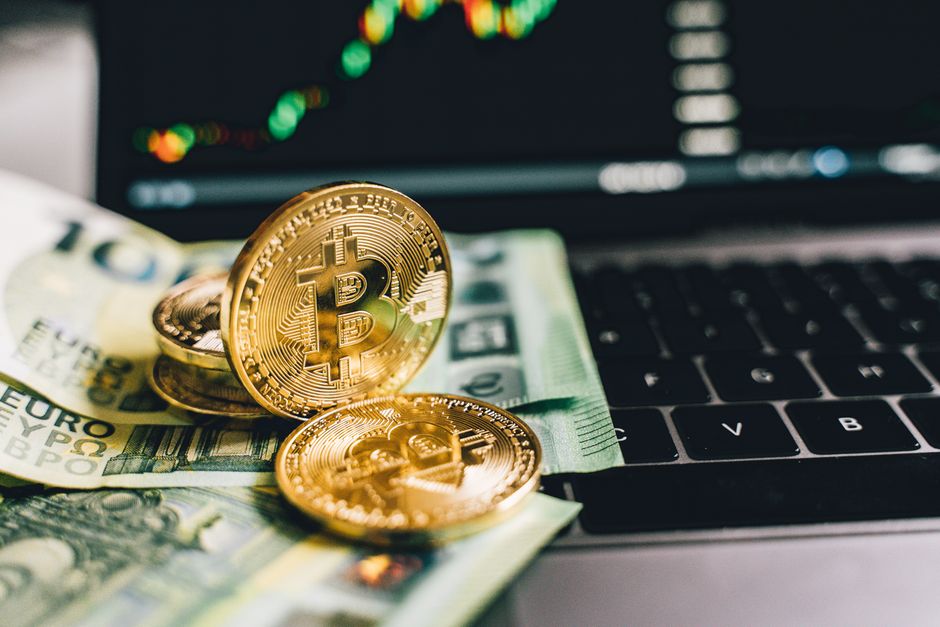
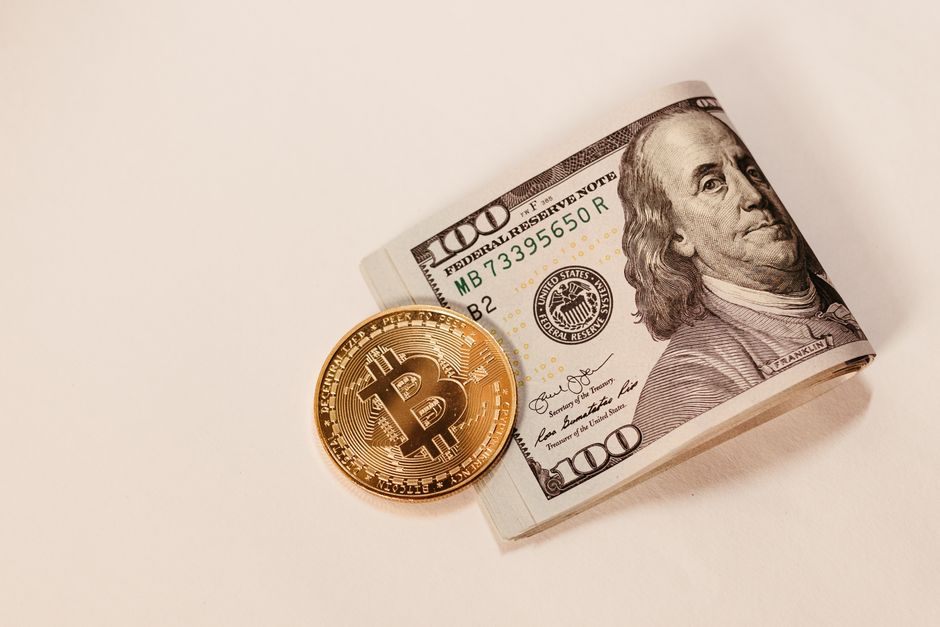
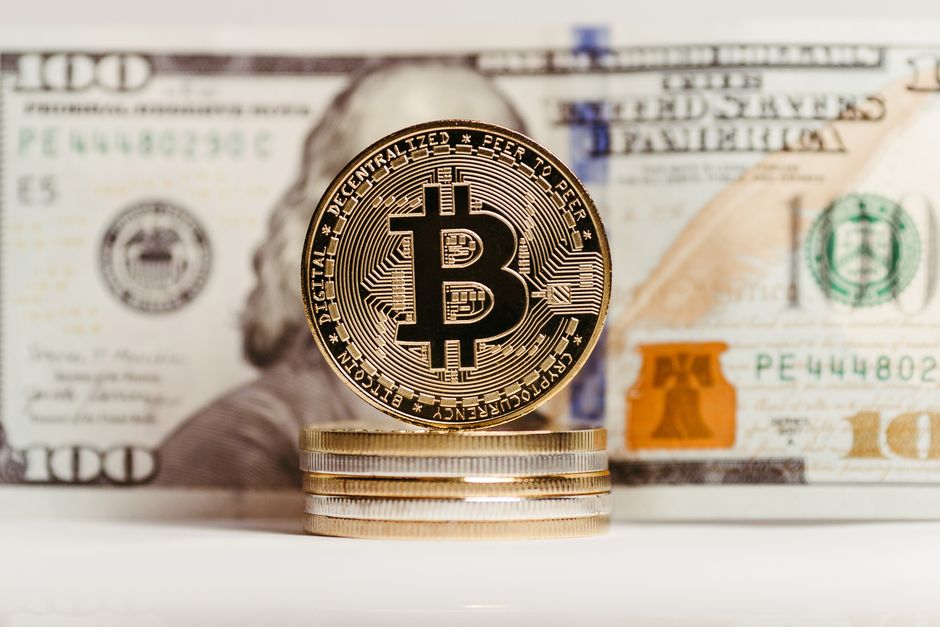
Bitcoin's 6.66 percent surge to $62,456 warrants a separate reading. The cryptocurrency has decoupled somewhat from its earlier tight correlation with Nasdaq growth stocks, and Friday saw both assets rise together, but for arguably different reasons. Equity gains reflected corporate earnings resilience and AI spending momentum. Bitcoin's gain looked more tied to dollar weakness and renewed institutional appetite, particularly from European and Middle Eastern buyers. For St Petersburg retail investors, the risk profile remains asymmetric in ways that gold and equities are not, but the direction on Friday was unambiguously positive.
The practical question for local investors is duration. One strong session does not set a trend, and the gap between WTI crude's slump and the equity rally is a reminder that not all assets are reading the same story right now. What Friday does offer, however, is clarity on which bets are working in mid-2026: dollar-alternative assets, globally diversified equity exposure, and a cautious stance on energy. Those who positioned that way before today are ahead. Those who have not may find the entry points on any near-term pullback worth examining closely.