Gold cracked another record on Friday, hitting $4,187 per troy ounce, a gain of 4.10 percent in a single session, even as West Texas Intermediate crude slid 2.78 percent to $68.78 a barrel. That two-way split, precious metals charging higher while energy retreats, is the defining resources story of the third quarter, and it carries direct consequences for St Petersburg investors holding exposure to mining equities, energy stocks and commodity-linked currencies.
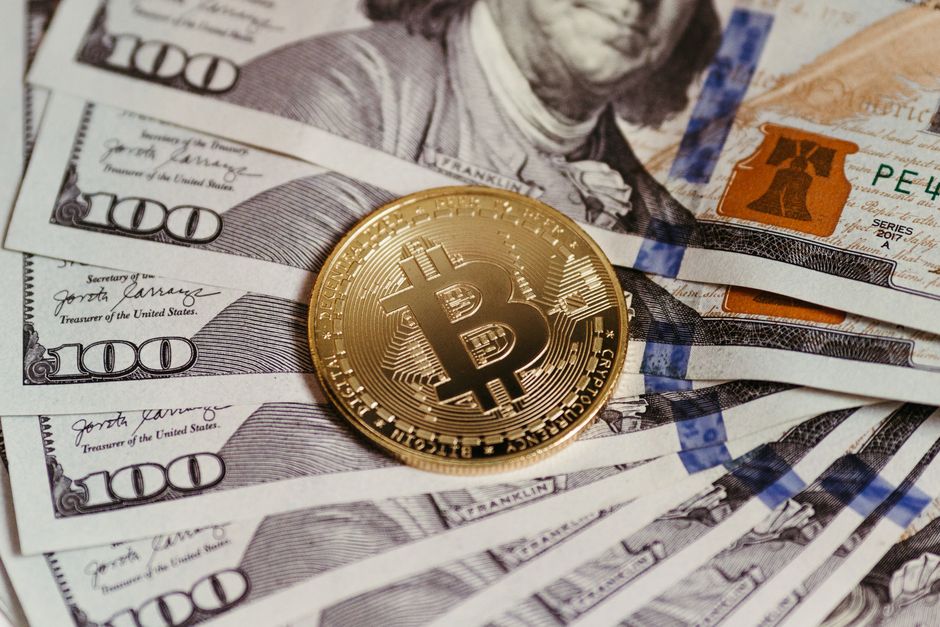
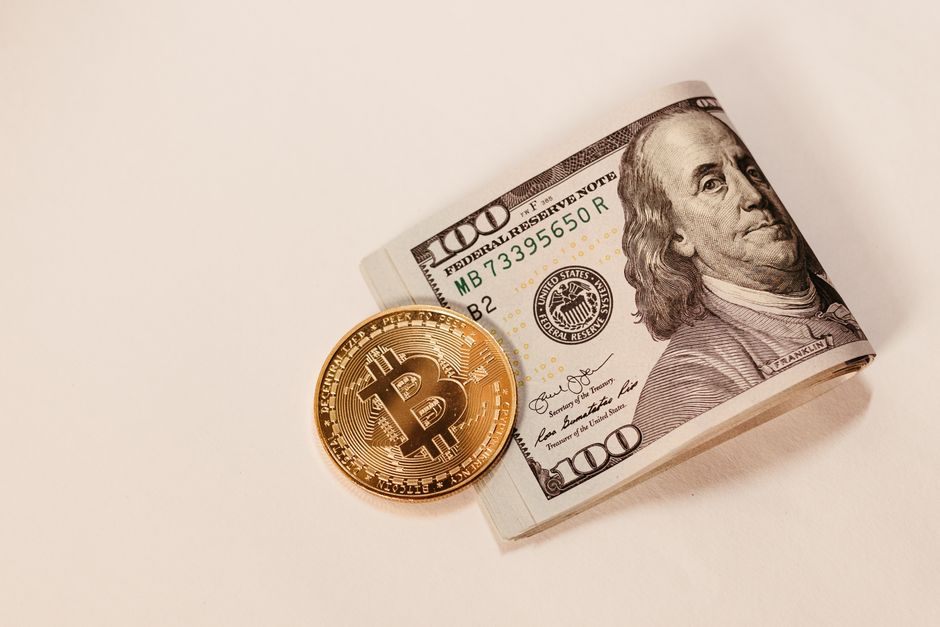
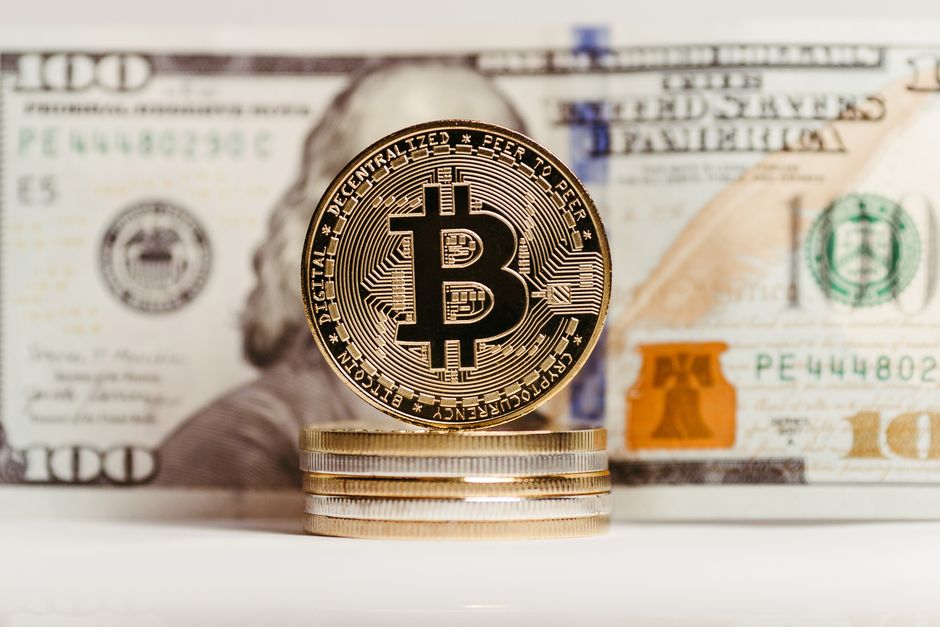
The gold move is not noise. A 4 percent single-day gain at a price above $4,000 represents billions of dollars in wealth transfer toward holders of bullion, royalty companies and senior miners. The catalyst appears to be a confluence of factors that analysts have been flagging since late spring: renewed sovereign buying from central banks diversifying away from dollar reserves, persistent inflation expectations embedded in bond markets, and a broader flight toward hard assets as geopolitical uncertainty refuses to dissipate. Bitcoin's 6.66 percent rise to $62,456 on the same day reinforces that narrative. When both gold and crypto rally in tandem, the market is signalling something specific: a loss of confidence in fiat stability, or at minimum a hedge against it.
The Oil Slide Complicates the Energy Thesis
Crude's retreat to $68.78 tells a different story. That price level puts meaningful pressure on producers whose breakeven costs sit in the mid-$60s, and it raises questions about the capital expenditure plans that energy companies outlined in their first-half guidance. OPEC-plus production discipline has repeatedly been tested this year, and the market appears to be pricing in the possibility of further supply additions at precisely the moment that demand forecasts for the second half of 2026 are being trimmed. For St Petersburg investors with stakes in energy-linked equities or infrastructure funds exposed to upstream production, the direction of crude over the next six to eight weeks matters enormously for dividend sustainability.
The currency picture adds another layer. The euro strengthened 0.47 percent against the dollar to 1.1440 on Friday. A firmer euro tends to support commodity prices denominated in dollars, since it makes raw materials cheaper for European buyers and simultaneously signals that dollar weakness is doing some of the heavy lifting in gold's ascent. St Petersburg investors whose savings or pension allocations are partly in euro-denominated funds should note that the currency tailwind flatters returns on international commodity positions when converted back to local terms, but it also compresses the competitiveness of any export-oriented resources businesses priced in roubles or other regional currencies against dollar benchmarks.
Equities broadly are shrugging off the oil weakness. The S&P 500 rose 1.71 percent to 7,483 and the Nasdaq Composite climbed 1.87 percent to 25,833, with technology names driving much of the advance. That gap between equity enthusiasm and commodity caution is something resources investors should examine carefully. Markets have a way of front-running sector recoveries, but they also have a way of ignoring deteriorating fundamentals for longer than is comfortable. The energy sub-sector within major indices has underperformed the headline numbers for several weeks running, and that gap is widening.
For the resources sector as a whole, the third quarter sets up as a tale of two sub-markets. Gold and silver-adjacent assets, including royalty streamers and mid-tier miners with unhedged production, are likely to attract continued institutional inflows if the dollar softens further and real yields stay suppressed. Several mid-cap gold producers listed on major exchanges have already seen their market capitalisations re-rate meaningfully since late 2025, and the spot price move to $4,187 will trigger fresh earnings upgrades from sell-side desks when they reopen next week. Critical minerals, particularly copper, lithium and the rare earths tied to energy transition supply chains, remain in a more complicated position: long-term demand narratives are intact, but short-term financing conditions and a cautious capital markets environment in the sector have slowed project development.
St Petersburg investors reviewing their portfolios this weekend should consider a few practical points. First, unhedged gold exposure, whether through physically backed exchange-traded products or senior mining equities, has performed as advertised as a crisis hedge and continues to look constructive while central bank buying remains elevated. Second, the energy weighting in any diversified resources allocation deserves scrutiny at $68 crude; the margin of safety is narrower than it was twelve months ago. Third, the Bitcoin rally alongside gold is a sentiment indicator worth watching rather than acting on directly, but it does suggest risk appetite in alternative stores of value remains robust. The resources quarter ahead is anything but uniform, and that demands a position-by-position approach rather than a blanket view on the sector.