Gold hit $4,187 per troy ounce on Friday, a 4.1 percent single-session gain that rattled currency desks and energised precious-metals analysts across St Petersburg's financial district. At the same time, the S&P 500 closed at 7,483, up 1.71 percent, and the Nasdaq Composite punched through 25,833, gaining 1.87 percent. For the city's asset managers, pension trustees and retail investors with global equity exposure, the session delivered genuine fireworks on what happened to be the Fourth of July holiday in the United States. The more durable consequence, though, is playing out not in the trading terminals but in the hiring offices one floor below.
The sustained rally in risk assets, now stretching across multiple quarters, has fattened revenue lines at St Petersburg's brokerage houses and independent wealth advisory firms. That prosperity has a cost. Compliance officers, quantitative analysts, derivatives structurers and client-facing portfolio managers are in short supply across the city, and compensation benchmarks are rising faster than most human-resources budgets anticipated entering 2026. Recruitment consultants operating out of offices near Nevsky Prospekt report that mid-career professionals with five to eight years of experience in fixed-income or commodities are fielding multiple offers simultaneously, a pattern that was rare even eighteen months ago.
Gold's move is particularly consequential for the local labour market. St Petersburg hosts several commodity-focused trading boutiques and at least two mid-size funds with meaningful precious-metals allocations. A 4.1 percent daily move in gold, driven by dollar softness and geopolitical hedging demand, focuses executive attention on whether those desks are adequately staffed. The EUR/USD rate, which rose 0.47 percent to 1.1440 on Friday, adds a further layer of complexity: European-denominated salaries look more expensive to any firm benchmarking compensation in dollars, which several internationally owned operations here quietly do.
Bitcoin Volatility Draws a New Class of Candidate
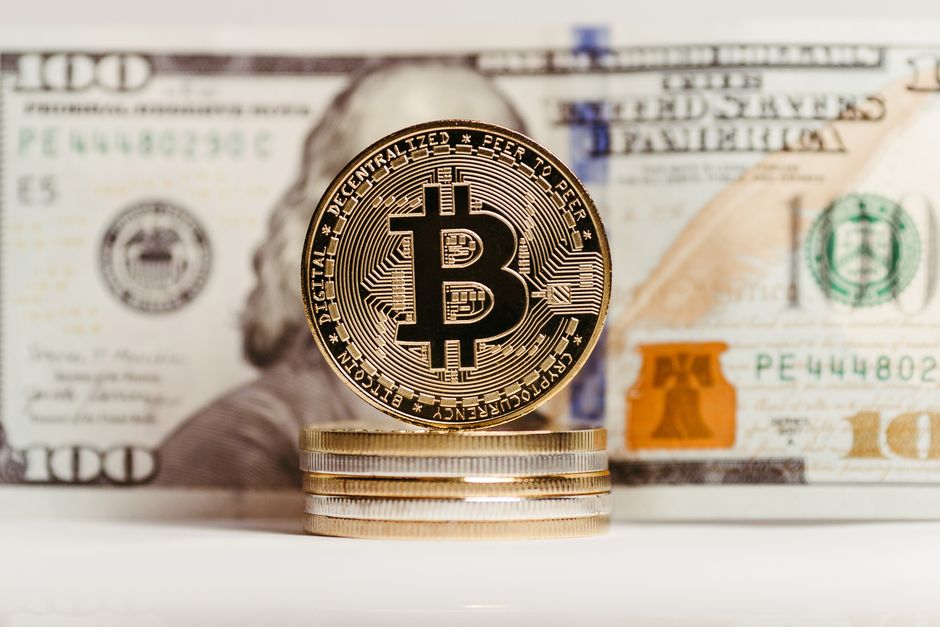
Bitcoin's 6.66 percent jump to $62,456 on Friday is reshaping which candidates are knocking on the city's financial doors. The cryptocurrency's resurgence, after a prolonged period of subdued price action, has reignited interest among younger technologists who want to work at the intersection of digital assets and traditional finance. St Petersburg's nascent blockchain and fintech cluster, centred partly around the IT Park on Professora Popova Street, is absorbing some of this talent, but established banks and brokerages are competing for the same pool. The practical result is a bifurcation: legacy institutions are struggling to match the equity upside that smaller crypto-adjacent firms can offer, while those smaller firms lack the compliance infrastructure that cautious candidates sometimes prefer.
The oil market adds a counterpoint. WTI crude fell 2.78 percent to $68.78 per barrel on Friday, extending a retreat that has quietly squeezed margins at energy-sector clients of the city's corporate finance advisers. When energy companies tighten budgets, finance and strategy headcount is typically among the first categories to freeze. Several St Petersburg firms that had planned to expand their energy-sector M&A practices in the second half of 2026 are now reassessing the pipeline, according to people familiar with those discussions. The divergence between buoyant equity markets and a softening oil price is creating genuine asymmetry in where hiring confidence sits across different industry verticals.
The broader talent pressure has a structural dimension that pre-dates Friday's market session. Russia's demographic profile means the domestic pipeline of finance graduates is not expanding fast enough to meet demand at the current pace of industry growth. Firms that want Russian-speaking professionals with Western-style credentials, particularly those holding CFA charters or equivalent qualifications, are finding the bench thin. Several wealth management firms have responded by quietly expanding graduate training programmes, partnering with St Petersburg State University's economics faculty and, in at least one case, sponsoring candidates through remote examination preparation for internationally recognised designations.
For individual investors and pension savers in the city, Friday's snapshot has a direct message. A portfolio with meaningful weight in global equities, gold or long-duration technology stocks had a strong session. But the same environment that inflates portfolio values also inflates the cost of the professional advice needed to manage them. Advisory fees, already edging higher across the industry, reflect in part what it costs to retain the analysts and relationship managers who deliver that advice. The talent market and the markets themselves are, for once, moving in precisely the same direction.