culture
Inside the Hermitage: how Catherine the Great's purchase grew into the world's largest painting collection
The State Hermitage on Palace Embankment traces its origins to a single 1764 acquisition and now anchors St Petersburg's cultural life.
How we reported this
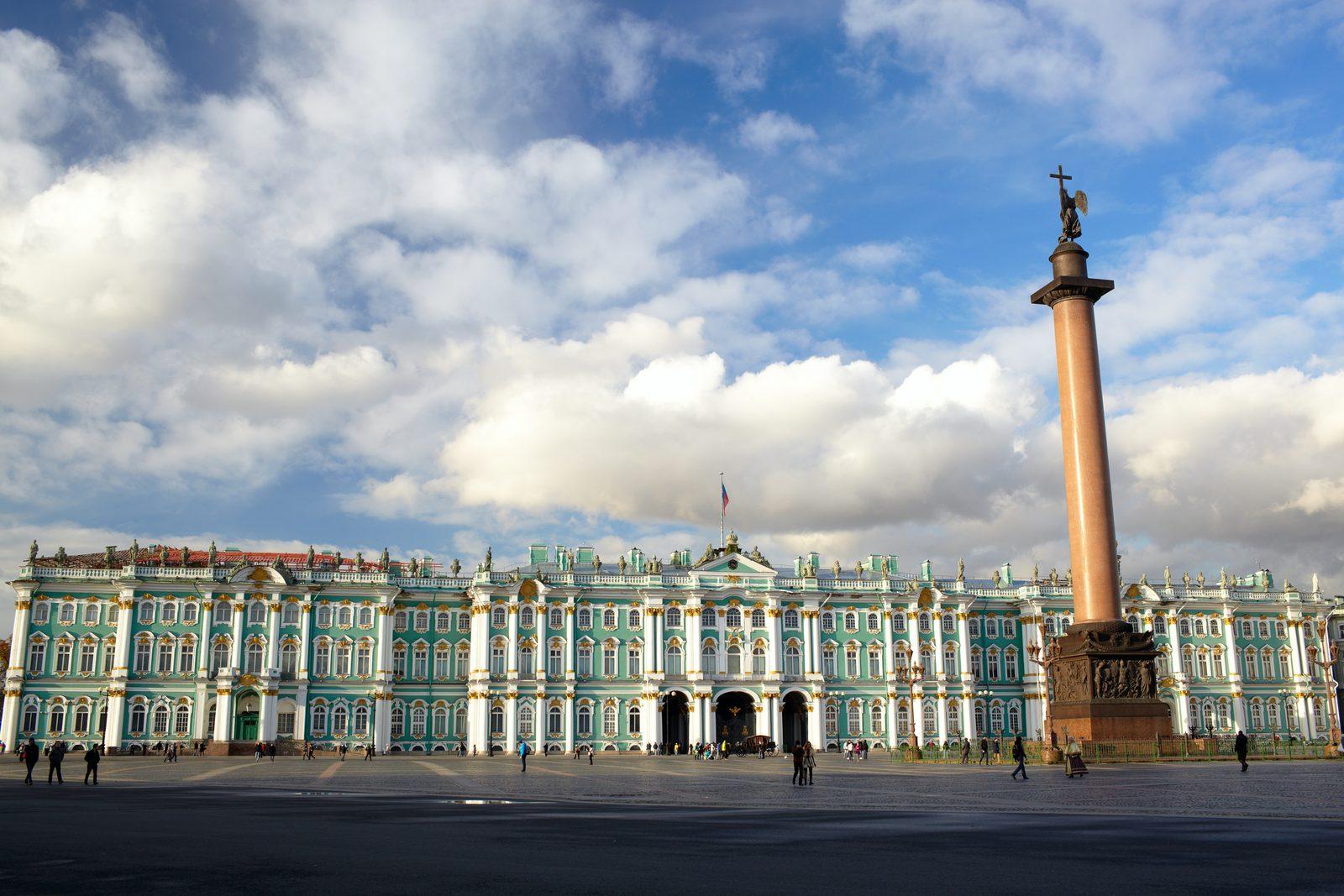
The State Hermitage Museum on the Neva embankment remains the single most recognisable cultural institution in St Petersburg, and its story begins with one transaction. According to the museum's published history, the Hermitage was founded in 1764 when Empress Catherine the Great acquired a collection of paintings from the Berlin merchant Johann Ernst Gotzkowsky. From that private imperial cabinet grew what is today described as the largest collection of paintings in the world.
The museum has been open to the public since 1852. For residents of the city, that continuity is part of the appeal: a visit is less a single event than a habit renewed across seasons, whether to see a familiar gallery or to catch a temporary exhibition.
Scale is the first thing visitors notice. The complex spreads across a group of historic buildings beside Palace Square, and the sheer size of the holdings means that even regular visitors rarely see everything in one trip.
Practical planning helps. The museum sits within walking distance of Nevsky Prospekt and Palace Square, so many locals fold a visit into a wider afternoon in the historic centre. Quieter weekday mornings tend to offer the calmest experience of the picture galleries.
The buildings themselves are part of the collection. The main complex is anchored by the Winter Palace on Palace Square, and moving between its state rooms and its picture galleries means walking through the ceremonial architecture of imperial St Petersburg as well as looking at the art hung within it. For many visitors that combination of setting and content is what distinguishes the Hermitage from a purely modern gallery.
Repeat visits reward a plan. Because the holdings are so large, residents often choose a single wing or period for each trip rather than attempting the whole museum at once. Combining a focused gallery visit with a walk along the adjacent Neva embankment makes for a manageable half day rather than an exhausting one.
For a city that defines itself through its imperial architecture and its museums, the Hermitage is both a landmark and a working cultural engine. It is a reminder that St Petersburg's identity was built deliberately, collection by collection, from the eighteenth century onward.