More than a third of St Petersburg's small business owners say they expect to operate at a loss through at least the third quarter of 2026, according to a survey of 420 firms conducted by the St Petersburg Chamber of Commerce in June. The figure marks the highest level of pessimism recorded in that survey since 2020, and it lands at a moment when the city's reputation as a cultural and commercial hub is under real stress.
The timing matters because St Petersburg has spent the better part of three years rebuilding its small business ecosystem after a brutal run of external shocks. Independent restaurants, boutique retailers and neighbourhood service providers had just found their footing when a new wave of cost pressures arrived — energy prices, supply chain volatility, and a ruble that has made imported goods significantly more expensive. Global instability, from leadership transitions in Tehran to continued commodity disruption tied to the Sudan conflict, has added further unpredictability to input costs that small operators simply cannot absorb the way larger chains can.
Nevsky Pressure
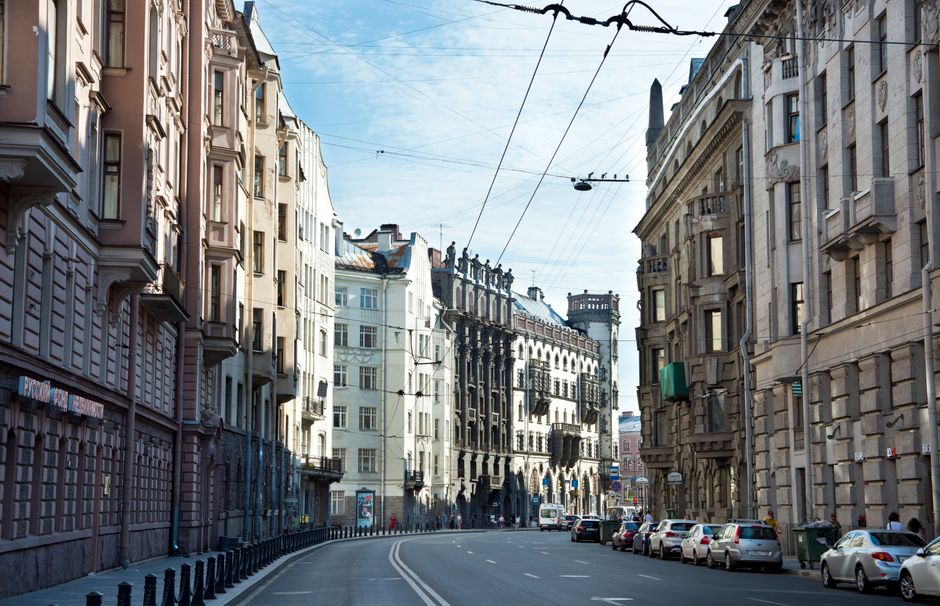
On Nevsky Prospekt, where foot traffic has historically been a reliable lifeline for small retailers, several operators report that the economics of prime commercial space have become unworkable. Monthly rents for ground-floor units in the stretch between Ploshchad Vosstaniya and the Fontanka River have climbed to roughly 350,000 rubles for even modest footprints, up approximately 18 percent since January 2025. Three independent clothing boutiques in that corridor have closed since April alone.
The situation looks somewhat different on Vasilyevsky Island, where the co-working and creative-business cluster around the Sevkabel Port complex had been one of the city's genuine post-pandemic success stories. Footfall at Sevkabel dropped noticeably in the first half of this year, partly because the summer heat has been extreme enough to suppress casual visitor numbers, and partly because international tourism — a key revenue stream for the vendors, coffee shops and small studios operating there — remains well below 2019 levels. The port's outdoor market, which drew consistent weekend crowds through 2024, has seen stall occupancy fall from near-full to around 70 percent.
The St Petersburg Business Support Fund, which operates a subsidised loan programme for firms employing fewer than 50 people, said applications for emergency bridging finance rose 41 percent in the first five months of 2026 compared with the same period last year. The fund disbursed 2.1 billion rubles in the first quarter, but administrators have signalled that the programme's capital allocation will not cover projected demand through December without a top-up from the city budget.
Where the Pressure Points Are Sharpest
Food and beverage operators are carrying disproportionate pain. A standard commercial kitchen fit-out in the Petrogradsky district now runs close to 4.5 million rubles, up from 3.2 million eighteen months ago, largely because of the cost of imported equipment and electrical components. Several chefs who opened small restaurants in the Bolshoy Prospekt area during 2024 have quietly scaled back operating hours or cut menus rather than raise prices and risk losing regulars.
The city's tech-enabled micro-businesses — freelance developers, small digital agencies, the kind of firms that cluster around the IT park on Kantemirovskaya Street — are faring better than most, but even there, payment delays from clients exposed to international market volatility have created cash flow problems that did not exist a year ago.
For owners trying to navigate this period, the most actionable guidance coming from advisers at the Chamber of Commerce points toward two priorities: locking in utility contracts before the autumn pricing cycle, which historically runs higher, and exploring the city's recently expanded Moskovskiy district enterprise zone, where qualifying businesses can access a 15 percent reduction on commercial property tax through at least the end of 2027. The programme has seen low uptake so far — fewer than 200 firms had enrolled as of the June survey — suggesting many owners either do not know it exists or have found the application process prohibitive. Fixing that gap may be the single most practical thing the city can do before the year gets harder.