Development of AI data centres across Australia has slowed sharply in 2026, as a cocktail of ballooning costs, land shortages and tighter regulations threatens to stall one of the country’s hottest technology sectors.
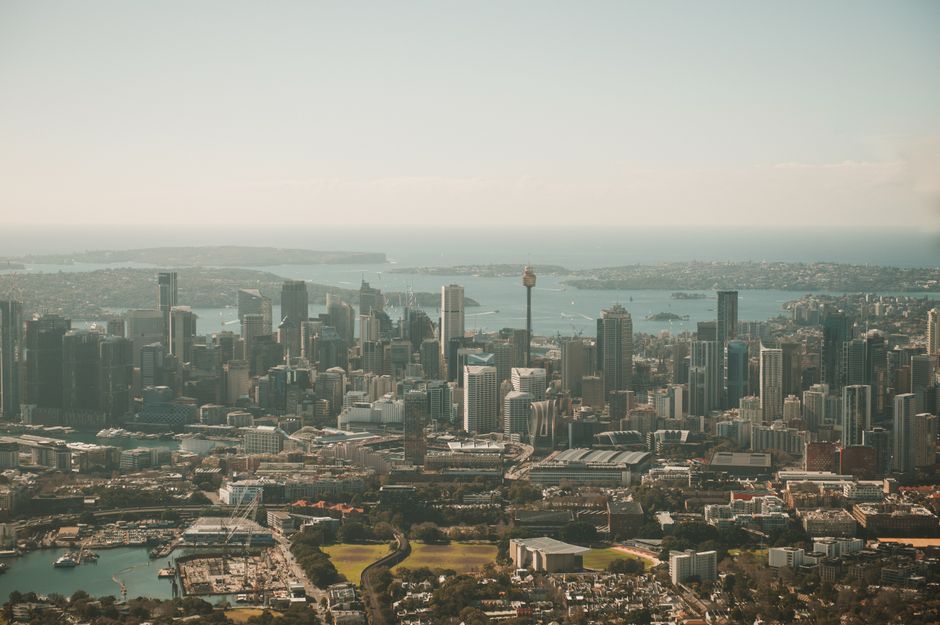
The brakes come after two years of frenzied investment, with tech giants and global funds snapping up industrial plots from Alexandria in Sydney to Altona North in Melbourne. Now, industry heads say a mix of surging land values, community resistance to energy-hungry campuses, and stricter state-level environmental approvals is squeezing margins and delaying new builds.
Land Gridlock Hits Growth Hotspots
Until late last year, data centre operators including NEXTDC and AirTrunk had been racing to secure limited tracts of power-ready land around Mulgrave in Sydney’s west and Derrimut in Melbourne. But the mood shifted as councils — under pressure to protect industrial land for housing — put new projects on hold. On the ground, real estate agents in Mascot report industrial plot prices breaching $8,000 per square metre, double the pre-pandemic level.
In Western Australia, a proposed 200-megawatt data park near Malaga, slated to host expansion for hyperscale cloud operators, has seen construction paused amid concerns over grid capacity and community complaints about water and power consumption. The planned Goldfields AI Hub in Kalgoorlie, which promised to create 150 tech jobs by year’s end, has yet to break ground as the state government juggles competing interests from miners and local agriculture.
Power and Price Pressures Intensify
Nationally, Australia’s AI datacentre footprint ballooned by 29% in 2025 according to consulting firm DC Byte, but analysts say 2026’s pipeline has thinned. Electricity futures for New South Wales delivery in summer are trading at $235 per megawatt-hour, up nearly 30% on last July, putting further pressure on operators heavily reliant on constant power supply.
The country’s major grid planners, AEMO, estimate that planned datacentres could consume an extra 1,700 megawatts by the end of 2027—equivalent to adding nearly three times the power draw of Darwin to the east coast. These projections are stoking public backlash, with advocacy groups in South Fremantle arguing against the approval of additional big-box datacentre projects at the intersection of Clontarf Road and South Terrace.
The squeeze is being felt on the financing side as well. "Private equity that was pouring into these projects in 2024 and 2025 is drying up. Rising interest rates and the new environmental compliance rules are making it hard even for the best operators to move ahead on schedule," said one local property consultant, who handles syndicate deals for Southbank-based asset manager IGS Group.
What’s Ahead for Australia’s AI Infrastructure
Industry watchers expect the pace of new datacentre construction to moderate further this year, unless a significant policy shift or injection of renewable grid capacity arrives. For now, developers are eyeing markets further out from the capitals, such as Toowoomba and Geelong, where land and grid access remain less congested.
For councils and property owners, the advice is to keep a close watch on planning bulletins and rezoning applications, especially in hotspots flagged for both housing and data centre use. Meanwhile, tech startups facing delays on local cloud capacity may consider booking server space in Singapore or Tokyo until Australia’s bottlenecks ease — at least until after next year’s likely update to state-based planning laws. In the short term, the sector’s gold rush appears to be losing its shine.